
The short answer
Why there’s no template here
Search for a mid-term rental lease and you’ll find plenty of free templates. We don’t publish one, on purpose. A lease is a legal document governed by state and local law — deposit limits, notice periods, required disclosures and when a guest becomes a tenant all vary — so a one-size template can be wrong exactly where you are, and a wrong lease is worst when you need it most: a tenant who won’t leave, or a deposit dispute.
What we can do is tell you what a mid-term lease has to handle, from running furnished mid-term rentals since 2019, so the lease you get reviewed covers it. Then let software do the repetitive part: filling it in and getting every signature.
Lease, rental agreement or house rules?
For a stay of 30 nights or more, use a signed lease or rental agreement — the name matters less than what’s in it. Ours is titled a “short-term rental agreement,” and we use one for every stay. House rules alone, or a booking site’s terms, aren’t enough for a monthly stay: they don’t set rent, a deposit, notice or what happens at the end of the term. You can keep house rules as an addendum that everyone signs.
A midterm or medium-term lease is still a lease. The difference from a standard yearly lease is in the details below.
What to include, clause by clause
| Topic | What to cover | The mid-term twist |
|---|---|---|
| Parties and occupants | Every adult tenant by name, and who else may live there | For corporate stays, the company may be the tenant with named occupants |
| Premises and furnishings | The address, and what’s included | An itemized furniture inventory with a condition report at move-in and move-out |
| Term | Fixed start and end dates | Match the assignment or project; say what happens if they stay past the end date |
| Rent | Amount, due date, how to pay, late fees within state limits | How the first and last partial months are prorated |
| Security deposit | Amount, what it covers, when and how it’s returned | State caps apply to short leases too; say which fees are refundable |
| Utilities and internet | Who pays for what | Usually included in a mid-term rent; state any cap |
| Extensions | How to ask, how much notice, at what rate | Assignments and repairs run long — plan for it |
| Early termination | Whether and how the tenant can leave early | Cancelled contracts are common; military tenants have federal rights |
| House rules | Guests, pets, smoking, parking, quiet hours | Include them or attach them as a signed addendum |
| Subletting | Allowed or not | A furnished home is easy to re-rent by the night — say no if you mean no |
| Entry and maintenance | Notice before entry; how to report repairs | Follow your state’s notice rules |
| Move-out | Cleaning standard, walk-through, keys | Check the furniture inventory before the deposit goes back |
| Disclosures | What your state and federal law require | Lead paint for pre-1978 homes applies to many mid-term leases |
| Signatures | Every adult signs | Electronic signatures are valid |
The clauses mid-term leases get wrong
Dates and prorated rent
Mid-term stays rarely start on the 1st. Say how partial months are charged — we prorate by the day — and when each month’s rent is due, so the first and last payments aren’t a negotiation.
Extensions
Extensions are a good problem: a tenant who wants to stay longer. But without a rule, an extension collides with the next tenant’s move-in. We allow extensions and ask for 30 days’ notice. Say in the lease how to request one and whether the rate changes.
Early termination
The hard one. Travel nurses’ contracts get cancelled, projects end early and insurance repairs finish ahead of schedule. Decide in advance: some landlords allow early termination with notice and a fee; we release a tenant early only when a new tenant can take the dates. And know that federal law — the Servicemembers Civil Relief Act — lets military tenants with qualifying orders end a residential lease early, whatever the lease says.
The deposit
A furnished home has more to damage, and a mid-term stay is long enough to do it. We take a refundable security deposit of at least $1,000. Your state may cap deposits and set the timeline and paperwork for returning them — both apply to short leases too.
Furnishings and condition
Attach an inventory of the furniture and household items, and a condition report both sides sign at move-in. At move-out, it’s the difference between a clear deposit deduction and a dispute.
State law: the 30-day line, deposits and notices
When a guest becomes a tenant. A stay of about 30 days or more can create a landlord-tenant relationship, but the line isn’t the same everywhere. Airbnb’s own guidance says that in California, Illinois and New York a residential tenancy may be created after 30 consecutive days. Arizona’s landlord-tenant act excludes “transient occupancy in a hotel, motel or recreational lodging” without naming a number of days, and courts in many states weigh more than the day count. Treat a mid-term tenant as a tenant, with a lease to match.
Deposit limits. Most states cap security deposits, and the caps differ. Arizona, for example, limits security — including prepaid rent — to one and a half months’ rent. California now allows one month’s rent for most landlords.
Notices. States set how much notice you give before entering and what the lease must tell the tenant. In Arizona, for example, a landlord generally gives two days’ notice before entry, and must tell tenants in writing that the state’s landlord-tenant act is available on the Arizona Department of Housing website.
Fair housing. Federal fair-housing law protects seven classes — race, color, religion, sex, national origin, familial status and disability — and many states and cities add more. It applies to how you advertise, screen and write the lease.
These are examples, not a checklist. Your attorney will know your state’s version of each rule.
Disclosures people miss
- Lead-based paint. For most homes built before 1978, federal law requires a lead disclosure and pamphlet. The exemption for short leases covers only leases of 100 days or less where no renewal or extension can occur — so a 13-week lease that can be extended, or any lease longer than 100 days, generally isn’t exempt.
- State-required notices. Many states require specific notices in or with the lease — the Arizona landlord-tenant act notice above is one example.
- Local rules. Some cities add registration, licensing or disclosure rules for rentals, including furnished ones.
Where to get a lease you can trust
- A landlord-tenant attorney in your state — the best option. Ask them to draft a mid-term lease, or to review the one you use, with this page’s clause list in hand. The American Bar Association’s lawyer referral directory lists state and local bar referral services.
- State apartment and REALTOR associations — many publish state-specific residential leases, usually for members (in Arizona, for example, the Arizona Multihousing Association).
- Established legal-form providers — Nolo, LawDepot, Rocket Lawyer and US Legal Forms, among others, sell residential lease templates. Most are written for standard long-term leases, so have the mid-term clauses reviewed. We don’t endorse any provider.
- Listing-site lease tools — some mid-term listing sites offer state-specific lease documents to their landlords. Read them as closely as any other template.
Signing it electronically — and letting software do the rest
E-signatures are valid for leases. The federal ESIGN Act says a contract can’t be denied legal effect just because it’s electronic, and nearly every state has adopted the Uniform Electronic Transactions Act (Arizona’s is at A.R.S. 44-7007). What matters is a clear record of who signed, and when.
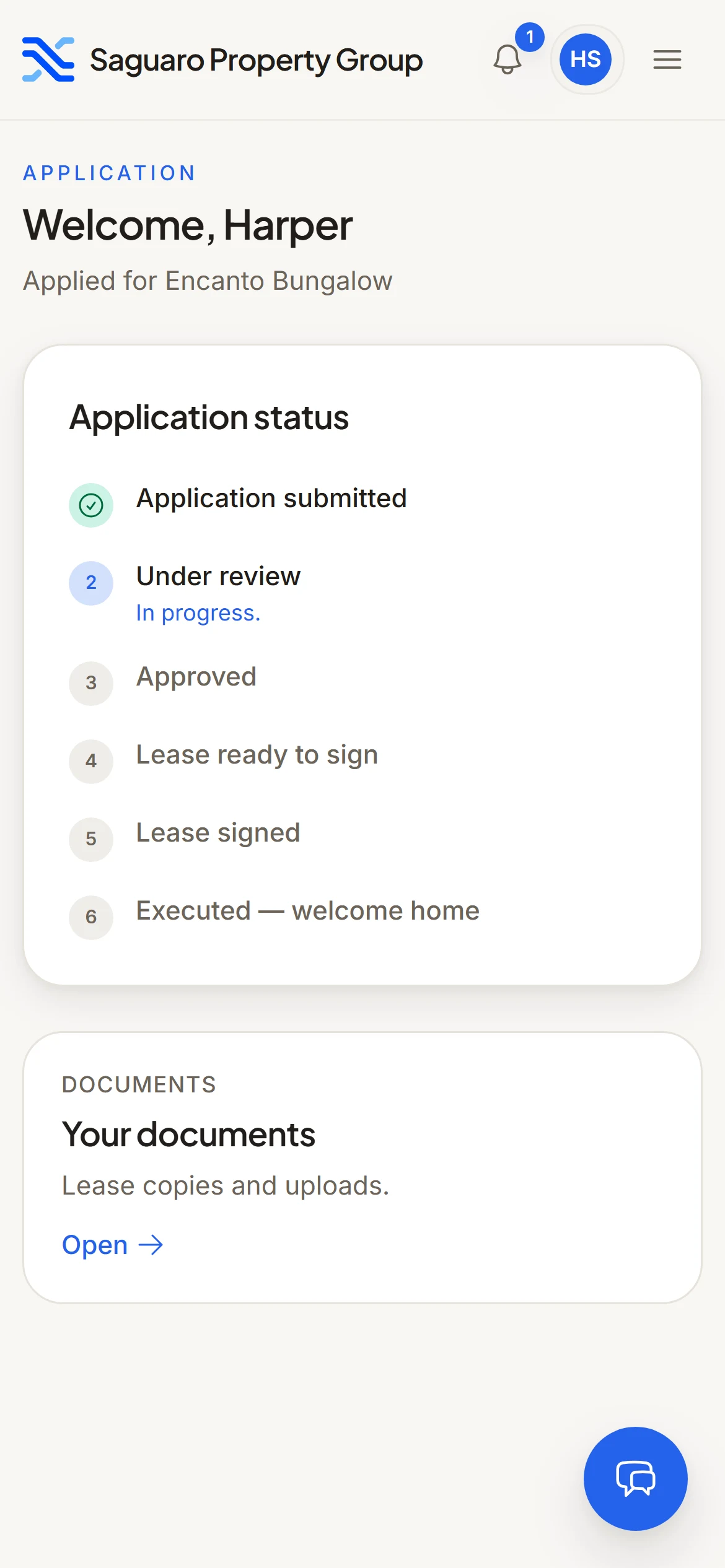
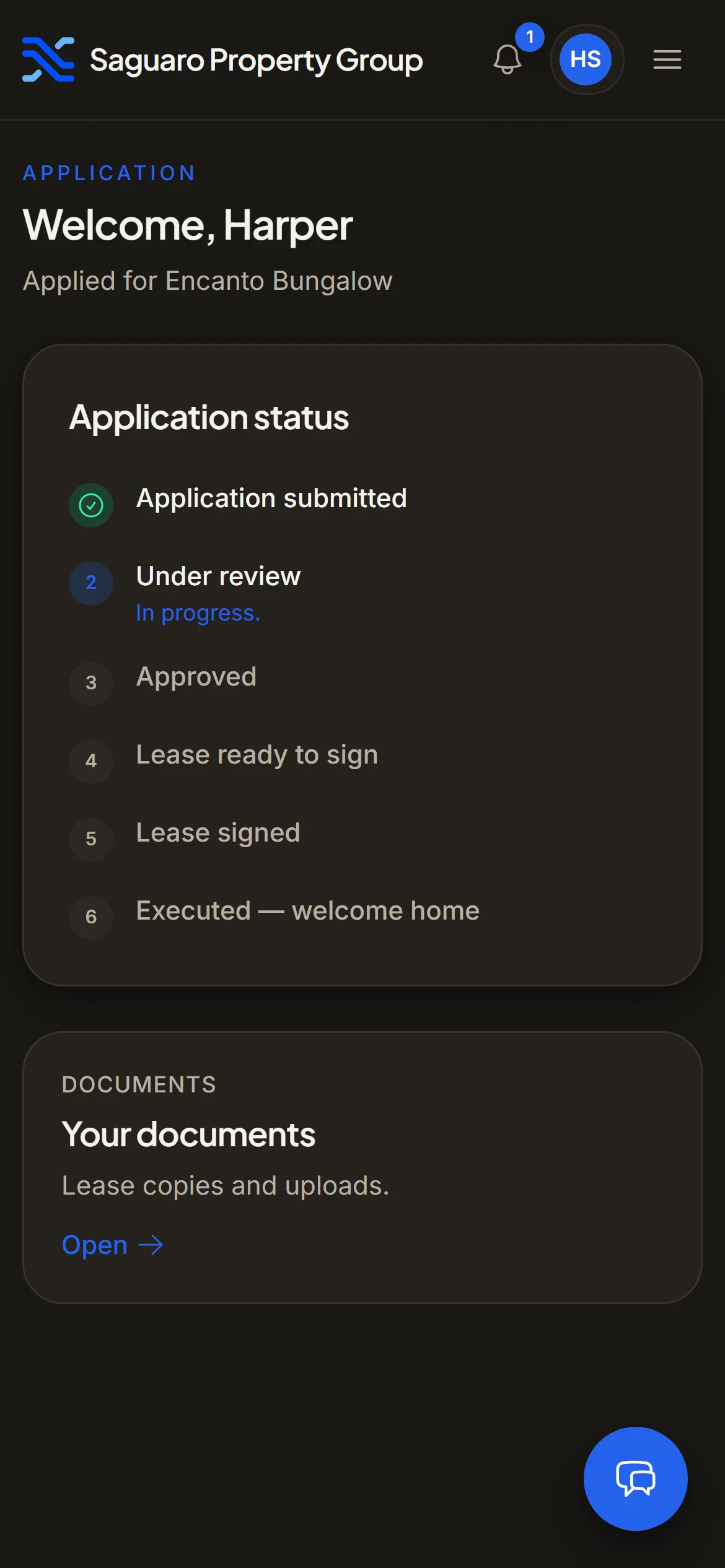
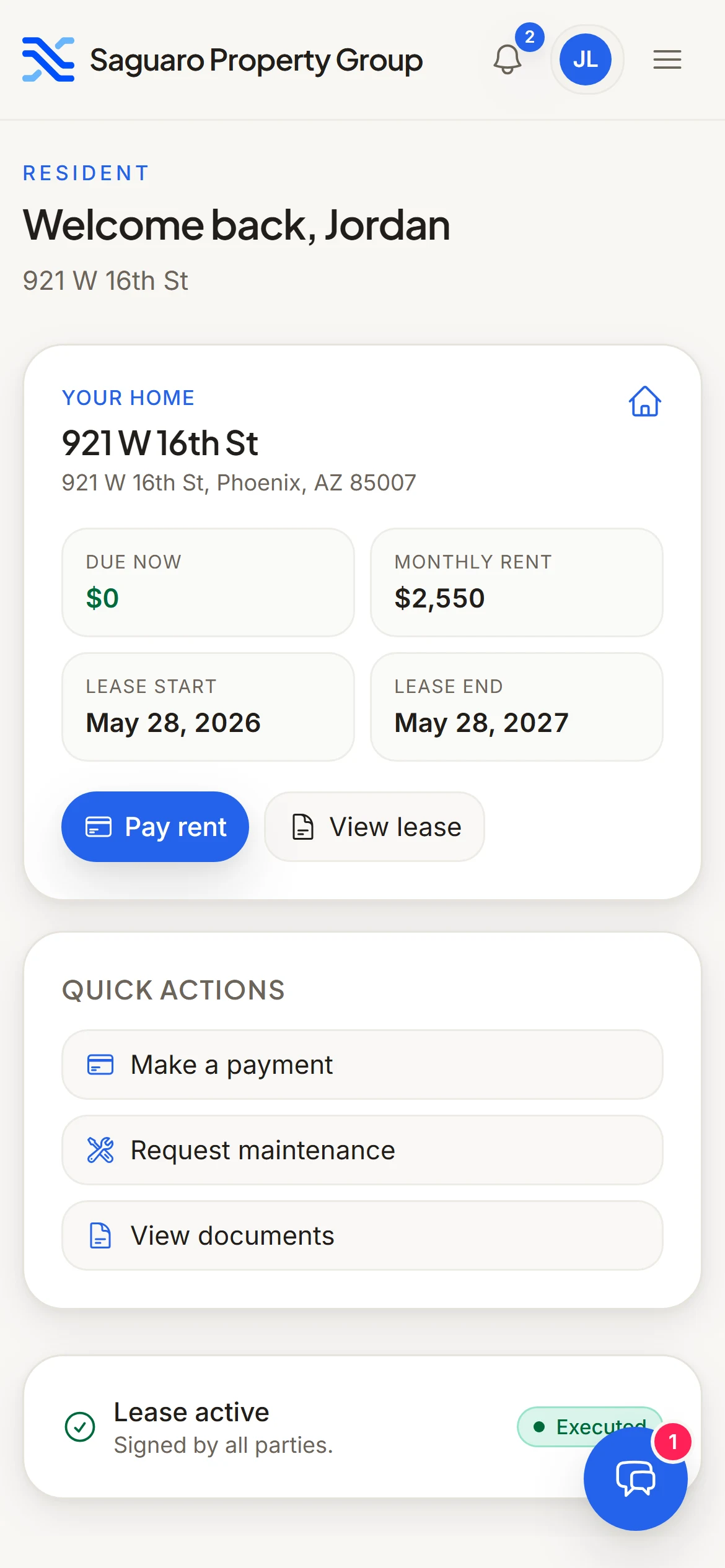
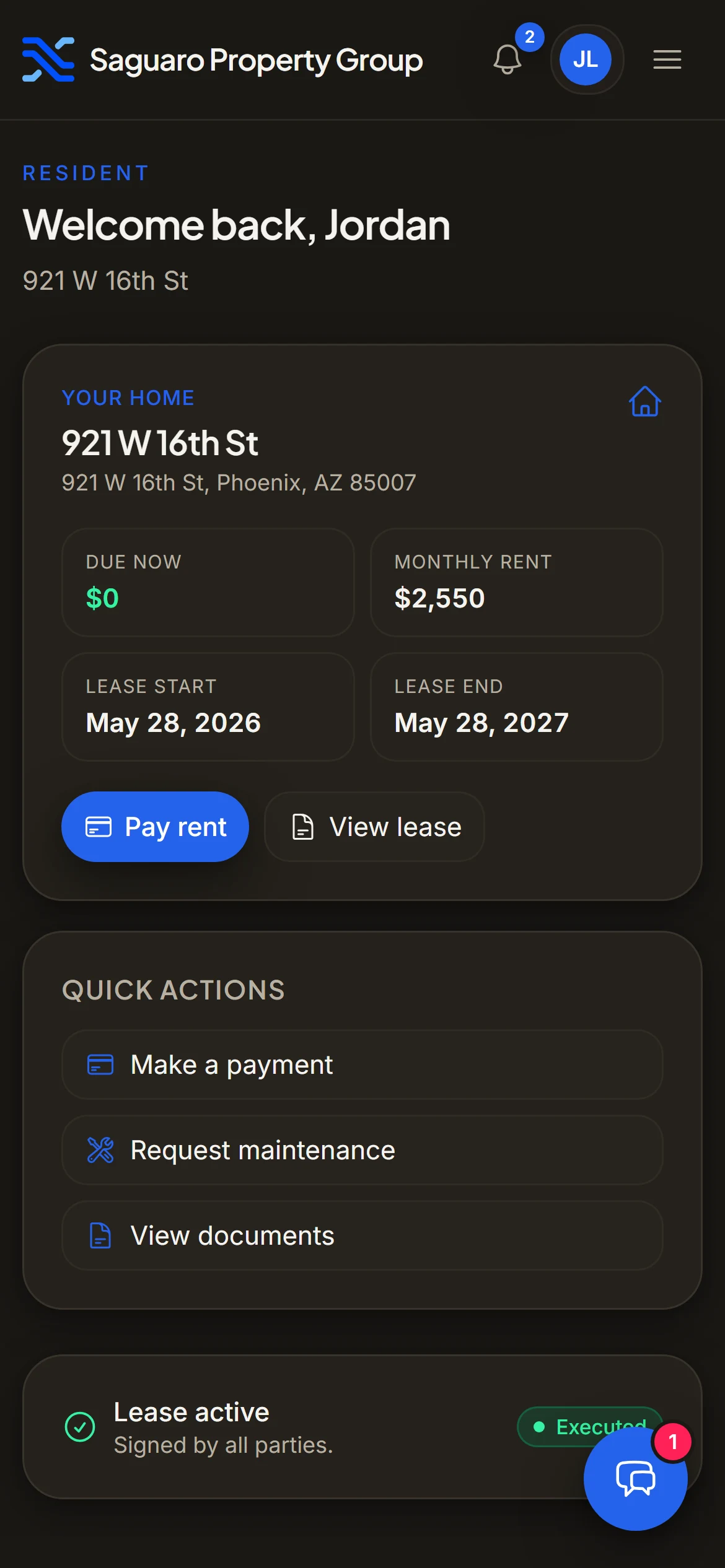
That’s where Nexxus comes in — not with a template, but with yours. Upload the lease your attorney approved and Nexxus turns it into a fillable, e-signable template. Every adult on the stay signs, the signed copy lives on the tenant’s record, and tenants find it in their resident portal. The rent the lease sets is scheduled on the tenant ledger, prorated months included — and when the stay is extended, the added months follow.
See how it fits the rest of a mid-term stay in mid-term rental software, or open the live demo set up for mid-term — no sign-up.
Mid-term lease FAQ
What is a mid-term rental agreement?
A written lease or rental agreement for a furnished stay of roughly one to twelve months — usually 30 nights or more. It covers what any lease covers (the parties, term, rent, deposit, rules) plus what furnished monthly stays need: a furniture inventory, utilities, prorated partial months, extensions and early move-outs.
Do I need a lease for a 30-day rental?
Most operators use one for any stay of 30 nights or more. In several states a stay that long can create a tenancy with tenant protections whether or not you signed a lease — Airbnb’s own guidance names California, Illinois and New York — so a written lease reviewed for your state is the safer path. This is general information, not legal advice.
Where can I get a mid-term rental lease agreement?
Have a landlord-tenant attorney in your state draft or review one; a bar association’s lawyer referral service can point you to one. State apartment and REALTOR associations publish state-specific leases, usually for members, and established legal-form providers sell templates — have mid-term clauses reviewed either way. Nexxus doesn’t publish lease templates.
How much of a security deposit can I charge for a mid-term rental?
It depends on your state. Arizona, for example, caps security (including prepaid rent) at one and a half months’ rent, and California now allows one month’s rent for most landlords. Check your state’s limit before you set yours — we take a refundable deposit of at least $1,000.
What if a travel nurse’s contract is cancelled mid-lease?
Decide in advance and write it into the lease: for example, early termination with notice and a fee, or releasing the tenant only when a new tenant can take the dates (our approach). Military tenants are different — federal law lets servicemembers with qualifying orders end a residential lease early.
Can a mid-term lease be signed electronically?
Yes. Under the federal ESIGN Act, a contract can’t be denied legal effect just because it’s electronic, and nearly every state has adopted the Uniform Electronic Transactions Act. Use an e-signature tool that records who signed and when, and give every signer a copy.
Does a mid-term lease need a lead paint disclosure?
For most homes built before 1978, yes. The federal rule exempts short-term leases of 100 days or less only when no renewal or extension can occur, so a 13-week lease that can be extended — or any lease longer than 100 days — generally needs the disclosure.
Sources
Checked September 25, 2026. Laws change — confirm the current version with your attorney.
- Airbnb: responsible hosting in the United States (tenancy after 30 consecutive days in California, Illinois and New York)
- Arizona Revised Statutes: 33-1308 (exclusions), 33-1321 (security deposits), 33-1322 (disclosure), 33-1343 (access), 44-7007 (electronic signatures)
- California Civil Code 1950.5 (security deposits)
- 40 CFR 745.101 (lead disclosure exemptions)
- 50 U.S.C. 3955 (Servicemembers Civil Relief Act: terminating residential leases)
- 15 U.S.C. 7001 (ESIGN Act)
- HUD: the Fair Housing Act
- American Bar Association: lawyer referral directory